This is my third of three scheduled DTO (discretionary time off) days, and the timing couldn’t be better.
When you live alone, there’s exactly one of you to meet the repair people. OK—two, if you count Carolyn. Three, if you count my sister. Four, if you count my nephew. But for dramatic effect, let’s just say: if something breaks, I’m the one who stays home to meet the repair crew.
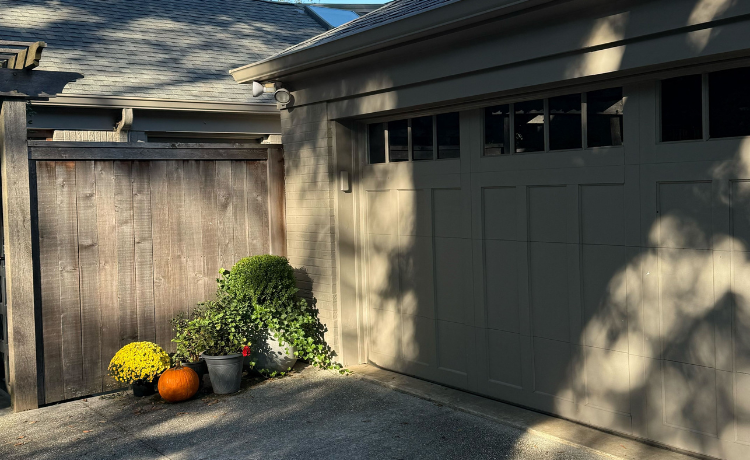
This week, my garage door decided to open just one foot before quitting completely. Surgery required. Then my bedroom A/C unit went down—and if you’re someone who needs the thermostat at 68° or lower to sleep, you understand the gravity of that emergency.
The fix is complicated, and I’m now on my second company—who apparently had to order a part from Mars that’s being delivered by donkey cart.
So, for cooler sleep, I’ve been camping out upstairs. Thankfully, I have that option. But after two weeks, I’ve discovered something: living in a space is different from simply visiting it. I’ve started noticing things I’d never seen before, not really new things, just things I’d tucked away and forgotten about. Some should’ve been tossed long ago. Others? Pretty important.
That realization hit home again when I saw a headline in USA Today on October 6, 2025:
“$2.1 Trillion Sits in Forgotten 401(k) Accounts.”
That’s 2.1 trillion dollars—spread across 31.9 million accounts, or roughly a quarter of all 401(k)s out there. The average balance? $66,691.
At our office, we see this all the time. When clients gather their investment and retirement statements, it’s not unusual for them to find an old 401(k) from a previous employer—completely forgotten. And honestly, I get it.
When you’re changing jobs or industries, tracking down a retirement account isn’t exactly top priority. But a 401(k) left behind is lonely. It wants to be reunited with your other investments to work as part of a unified plan for your future. More importantly, it’s unmanaged—no one is watching it. Depending on your balance and the employer’s policy, they could even cash it out for you. In some cases, they might execute a “forced rollover,” which can leave your money sitting in a low-interest, cash-equivalent account—missing out on valuable growth.
When you leave a job, you have four choices for your 401(k):
- Leave it where it is.
- Roll it into your new employer’s plan.
- Roll it into an IRA.
- Cash out the account value.
Every situation is different, but we almost never recommend option #1.
If you think you might have an old account out there, here are some reputable places to start your search:
- National Registry of Unclaimed Retirement Benefits
- Retirement Savings Lost & Found Database (U.S. Department of Labor)
- MissingMoney.com
Each of these sites may ask for your Social Security number to locate your records. If that makes you uneasy (it does me too), you can go the old-fashioned route:
- Make a list of your former employers and dig through old retirement statements—paper or digital.
- Check prior pay stubs or W-2s for signs of retirement contributions.
- Contact previous employers directly, starting with their HR or retirement plan department. If you remember the plan administrator (like Fidelity, Vanguard, Empower, etc.), reach out to them as well. They often manage plans for multiple companies.
Moral of the story? Whether it’s your garage door, A/C, or your retirement plan, “set it and forget it” only works on crockpots.
If you’d like help tracking down old accounts, we’d love to help you “Bird dog” the trail. Our goal is to make sure every dollar you’ve earned is working as hard as you do—to build the future you’ve dreamed about.